Embracing the Darkness (With Mashed Potatoes)

It’s not a good sign when a season has its own mental disorder, but here we are, entering the dark, cold, abysmal days of post-Daylight Saving Time when Seasonal Affective Disorder destroys all joy. Darkness descends like a roiling thunderstorm in a fantasy novel, erasing all sunshine and leaving us cowering in the cellar.

My husband thinks I’m dramatic, but I tell him to stop calling me names, as I drape across the fainting couch, gently dabbing my tears with a silken handkerchief.

Anyway.

This year, Seasonal Affective Disorder has been changed to Seasonal Affective Despair as we watch the nation’s slow descent into malevolence and madness. Night falls immediately after lunch, pajamas are my go-to wardrobe and my serotonin levels drop as quickly as my faith in humanity.

As we move toward winter, light deprivation should be considered a national crisis. Maybe we need a Vitamin D shot mandate or, at least, red light therapy lamps to replace all street lighting. Utah recently eliminated fluoride in the water; could we add a dash of Xanax?

I know there’s a fine line between hibernation and hiding, but maybe the bears have it right. Spend the summer and fall eating everything in sight, yank fresh salmon right out of the river, compete for the World’s Fattest Bear and then sleep until the sun returns.

Therapists recommend regular exercise, a healthy diet and sufficient sleep to improve mental health and reduce Seasonal Affective Despair symptoms, but nobody listens to their therapist; otherwise, we wouldn’t be in this national mess.

Someone on TikTok suggested organizing craft projects to get me through the dark months, but my closet is already full of discarded creations, including featherless pinecone turkeys and the unfinished baby blanket I was making for my first grandchild (who is now 21).

As I sorted through a tangle of thread from my last embroidery project and a cubic pound of glitter I bought when I thought making glitter angels with the grandkids was a good idea, I decided starting something new wasn’t a good idea. Plus, I still have glue gun scars from my Halloween projects.

Maybe I can spend the next few months snuggled with a book by the fireplace (if we had a fireplace), enjoying a bowl of minestrone (just kidding, my husband hates soup) and trying to live with someone who hates soup.

I’ll be poppin’ melatonin gummies like, well, like gummies, and giving it my best to be optimistic in a season created when a god of the underworld kidnapped a young girl and held her hostage for six months. On a coincidentally bright note, pomegranates are back in stores.

At least Thanksgiving is coming up, when I can get my emotional support food: mashed potatoes.

As we move toward the end of the year, November offers an invitation to look back at the previous months to see…nope…never mind. Don’t do that if you’re looking for sunshine and rainbows. In fact, maybe throw your phone in the Great Salt Lake (if it still had water), disconnect from the internet, delete your social media pages and go off-grid until May.

Mentally prepare yourself to spend several months trapped in a home with kids, or grandkids, who won’t stop saying, “6-7” or muttering Italian Brainrot nonsense.

Maybe this year’s Seasonal Affective Despair will be the start of my superhero origin story. When the light finally returns, I’ll stumble into the sunshine, wearing wrinkled pajamas and gripping a glue gun, ready to battle the forces of evil.

First published in the Davis Journal.

Magic is a Superpower

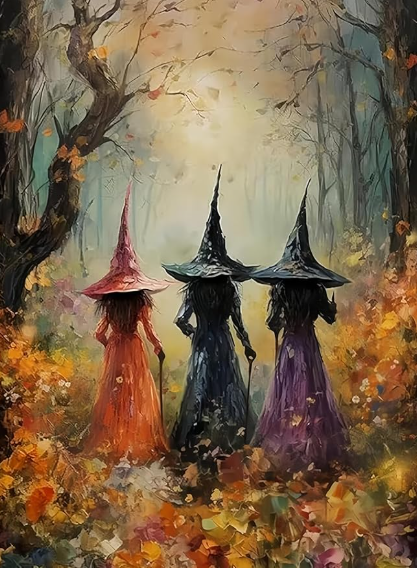
Back in the day, it didn’t take much to be labeled a witch. Did you own a cat? Witch. Did you have a birthmark? Witch. Did you use herbs, wear a cape, know how to read or lure children into your gingerbread-flavored home so you could eat them for dinner? Witch. 

I’m just saying, the bar was low.

Starting in the 1450s, witch hysteria swept across Europe, lasting for centuries. Intense warfare, hardship, famine and disease meant only one thing: it was time to burn the witches, because obviously.

Nearly 60,000 people were tried and killed as witches. More than 80% were women and 60% were over the age of 40. It was a gendercide that wiped out generations of women. Many were healers, midwives, widows and property owners. 

They’d reached a time in their lives where they were fine being alone, with maybe a cat or two. They just wanted a nice broom, a boiling cauldron of soup and a Pinterest board of “Witchy Reads.”

Many women step into their power once they hit 40, but give women power and there’s going to be trouble. Killing the older generations meant wisdom was lost forever, which is probably why we have mini golf sets for the toilet.

Like Labubu and Meta (and just as diabolical), witch trials were big business. Women were arrested, property was seized and people flocked to churches because no one wants to accidentally sell their soul to Beelzebub.

The witch trials also created a disconnection between women; a fear of gathering, the angst of being seen as a “coven” when all you wanted to do was watch the “Real Housewives of Salem.” Women stopped socializing because having a friend for tea could end in a hanging. (And you thought your book club was stressful.)

I’m a lover of all things witchy, a devotee of strong women using their magic for good. A witch is a woman who speaks truth to power, without shame. Imagine a combination of Dolly Parton, Oprah Winfrey and Ruth Bader Ginsburg, a woman so powerful even the Puritans would have been like, “Nope, not today.”

You see, a witch hunt creates a culture that undervalues women. When you describe women as shrill, chatty, feisty, mousey, sassy, emotional, slutty, hysterical, irrational or hormonal, those words strip away power. 

How many of these words are used to describe men? Almost zero. At the worst, men get labeled as “grumpy,” and somehow that becomes “distinguished.”

There’s still a witch hunt going on today. Saying “women’s rights” to certain groups triggers frothing at the mouth and a call for the ducking stool. 

Women want to be believed, heard and have the ability to live without violence or discrimination. We want affordable physical and mental health care, an equal wage and respect. Is that insane, deranged, unhinged or any other word used to lock women up in asylums, as recently as 1967? 

A witch stands on her own. She embraces her age, her knowledge and her intuition, without fear. It’s not surprising that interest in witchy practices is rising. You can learn spells on TikTok, craft a voodoo doll on YouTube and banish your ex to the depths of Detroit using a candle, cayenne pepper and a squeeze of lemon. Science, obviously.

For women who have felt disenfranchised in their communities, religions and workplaces, witchy practices are a way to find their power. It isn’t an excuse to turn women into barbecue. 

I associate magic with creation, and women are the ultimate creators. Women are magic, able to run empires, sing lullabies and look fabulous in a cape. Do you need someone to change the world for the better? Find a witch.

Originally published in the City Journals

Foods That Ruined My Childhood

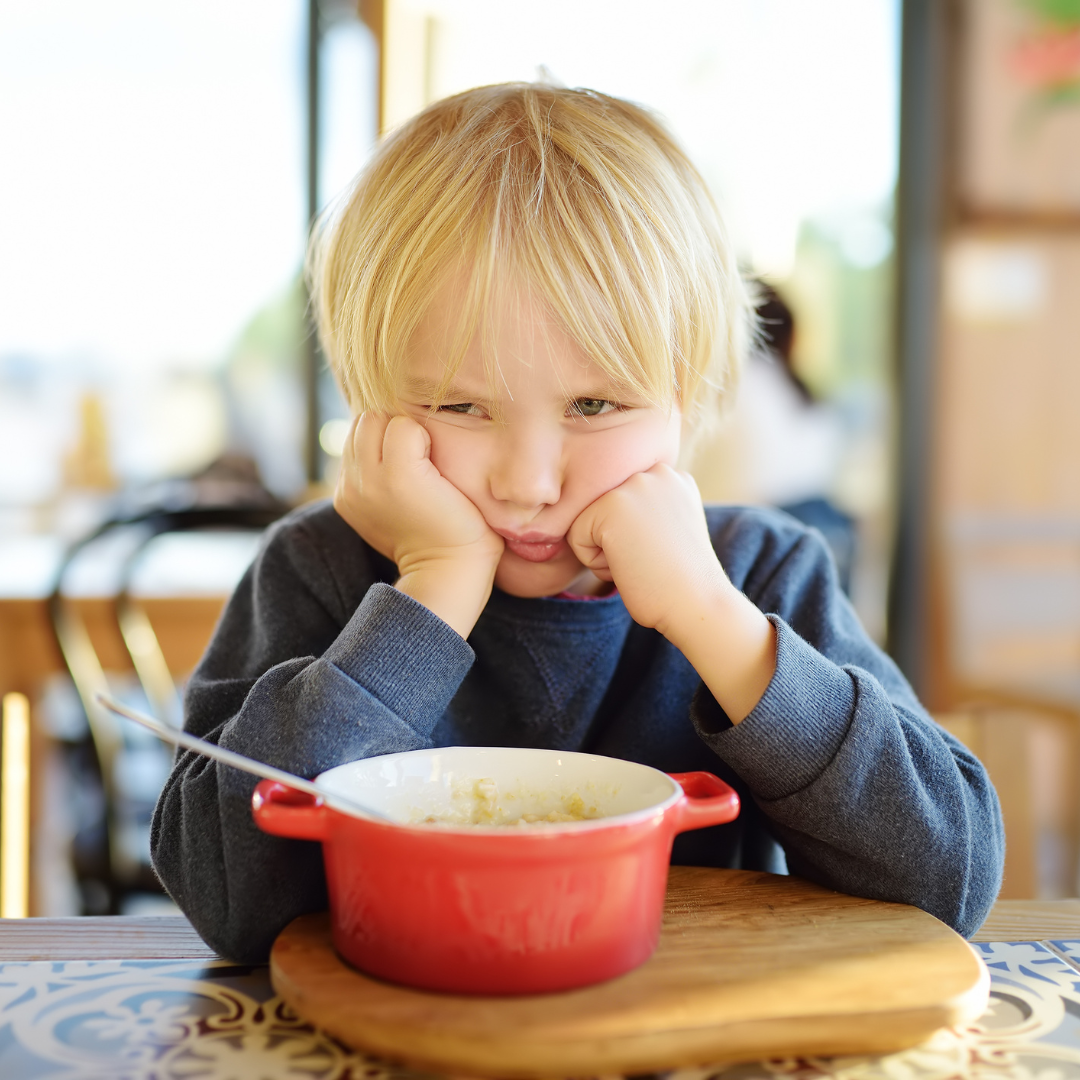
There was no “gentle parenting” in the ’70s, especially at the dinner table. You either ate what was prepared for you, or you were labeled a sniveling, spoiled brat who didn’t care if children in China starved because you wouldn’t eat your meatloaf. 

One time, I was forced to stay at the table until I’d eaten all my potatoes. I blame my dad. He had told me that potatoes have eyes and then lost his mind when I refused to eat mashed potatoes. I was convinced the lumps were eyeballs and I was not about to eat potato eyeballs. 

I wasn’t trying to be picky, I just didn’t like things that were mushy, smelly, runny, squishy, eggy or slathered in mayo. 

Grandma Stewart considered me the most coddled child in history. She could not fathom how I could reject her slimy bowl of lima beans, which included (if memory serves) onions, ham, shampoo and arsenic. 

“If you don’t eat your lima beans, it just means you’re spoiled,” she huffed when I put my head on the table to cry. She said the same thing when I refused to eat bread crust, cottage cheese, tuna fish or canned beets. 

Side note: Grandma loved Jordan almonds, the only food she refused to share. She’d hide them from the grandkids because she knew we’d eat them. We scoured the cabinets until we found them and devoured every last one. I think that’s called a self-fulfilling prophecy, Grandma.

As a kid, terrible food was everywhere. If I wasn’t being subjected to a disgusting recipe Mom found in a McCall’s magazine, I was being betrayed by school lunch ladies. They’d slide a quivering square of delicious cherry Jell-O, topped with whipped cream, onto my lunch tray. But the joke was on me when I took a big bite of the tasty dessert only to learn it was sour cream, not whipped cream. Who does that to a child? Sadists, that’s who!

While eating dinner at a friend’s house, her mom shamed me for not eating the disgusting canned peas. So, I ate it and cried. It was just another meal I was forced to eat, like a hostage.

Sometimes, I’d take a proactive approach when it came to avoiding foods I didn’t like. Mom often made chicken pockets, which were shredded chicken mixed with cream cheese, baked into crescent roll dough. I hated cream cheese (mushy, smelly). When I saw it in the fridge, I cried. I hid the box of cream cheese behind the wilted lettuce in the vegetable bin, but Mom always found it.

Other ploys included acting sick (rarely worked), “forgetting” about dinner while playing outside (never worked), pretending to sleep on the couch (sometimes worked) and throwing a fit at the dinner table (never worked, plus I lost dessert). 

I don’t know why Mom refused to accommodate my delicate palate. I was only repulsed when it came to sauces, dressings, mustard, canned foods, Vienna sausages, tuna, cottage cheese, sour cream, maple syrup, vegetables, macaroni salad, yogurt, the textured vegetable protein popular in the ’70s or anything slathered in mayo.

It didn’t matter. I was expected to “Learn to like it, or else!” Or else, what? A grateful digestive system? A lack of nightmares? A healthy relationship to food?

With four daughters, I understand how hard it is to make meals for ungrateful children. I’ve had daughters who refused to eat pizza, spaghetti, meat, dairy products, lasagna, hamburger casserole or anything with onions. They probably have their own list of foods that ruined their childhood. That’s what therapists are for. 

Originally published in the City Journals

Map it Out

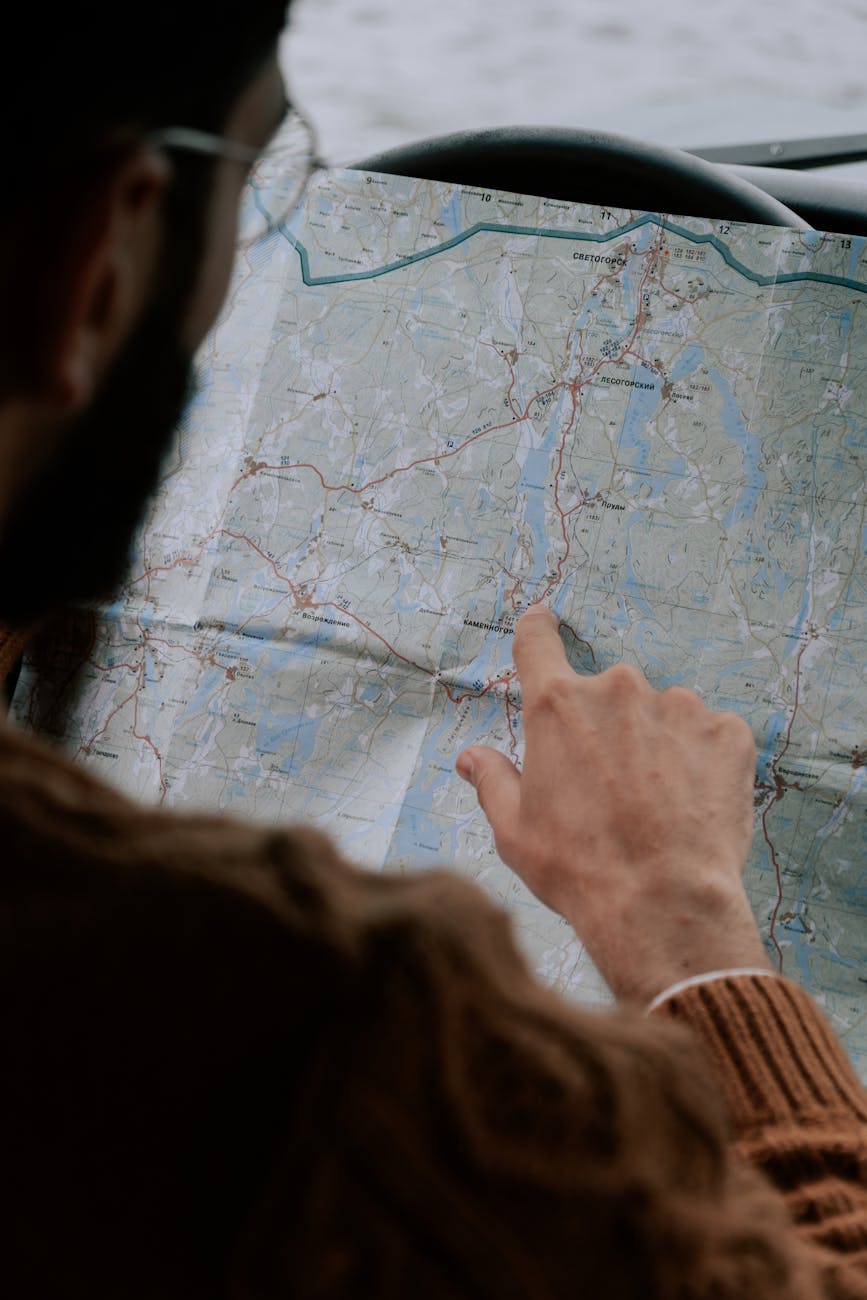
Remember maps? Old-fashioned, fold-out paper maps the size of a beach towel? My husband wanted to buy one to navigate our road trip through the Sacramento Valley. I stared at him for 47 seconds before stating, “We have Google Maps.”

“It’s not the same thing,” Tom said, sadly.

I reminded him I have the orienteering skills of a baby sea turtle running away from the ocean. Handing me a paper map is the equivalent of asking me to decipher ancient Egyptian. Although, to be fair, Google Maps can be equally confusing. Don’t tell me to turn left in 450 feet. That means nothing to me. You might as well say, “Turn left after 850 toothbrushes.”

Unfortunately for him, there were no road maps to be found. So, with phone in hand, I guided us through Chico, Stockton, Napa Valley and Yosemite. I don’t know which direction we drove. North? West? Up? Sideways? Sure.

Road trips should be a great time to catch up on my reading, but Tom doesn’t know how to sit in silence for longer than 1.3 seconds. Even though he hasn’t lived in California for decades, he had a story to share about every city we passed.

“About 15 years ago, there was a serial killer arrested in Yuba City,” he said. “Look it up.”

I put my book down and switched my phone from Google Maps to Wikipedia to learn about the murderer, Juan Corona. But, dear reader, he was arrested in 1971. Just a touch more than 15 years ago. 

Tom can hold a conversation with himself for at least 30 miles. It’s a stream of consciousness speaking that is amazing to behold. Let me give you an example:

“This is a great Glen Campbell song. Jimmy Webb wrote a lot of songs for Glen Campbell. Did I tell you Merrilee Rush was the first musician I saw perform live? Can you find yacht rock on the radio? Where does that driver think he’s going? Move over, scumbag! I’ve never been to Yosemite. I’ve heard it’s hill-arious.”

When I noticed a line of cars on our bumper, I suggested he drive a bit faster, although he insisted he was going the exact speed limit. I told him that was the problem.

Remember when you taught your kids to drive and you kept pushing an imaginary brake pedal on the passenger side of the car because you thought your teenager was going to drive you into a building? Well, I have an imaginary accelerator on my side of the car that I press when Tom’s going the exact speed limit. 

But once we hit Yosemite, or any mountain range, my husband turns into Dominic Toretto of “Fast and Furious” fame, Tokyo-drifting off cliffs and taking corners at the speed of sound. I was grabbing the door handle, not sure if I was trying to keep it closed or if I was preparing to jump out if we launched into Yosemite Valley.

On our way through wine country, we stopped at the Napa Valley Welcome Center to get ideas for which wineries to visit and where to get a good Chardonnay. The woman at the counter whipped out a map of the area. Tom’s eyes widened with glee. He used so many exclamation points, I thought his heart might burst with joy. 

“Look!” he said. “She has a paper map! Cartographers really know how to draw the line!”

We did a lot of driving in California, which could be considered relationship bonding or time served, depending on the situation. Tom still swears by paper maps. I’m dedicated to Google. But we always find our way.

Originally published in The City Journals

A Puppet Regime

It took decades, but Ronald Grump finally found a way to evict the residents of 123 Sesame Street. Grump (played by Joe Pesci) visited the TV show in 1994 with plans to demolish the beloved neighborhood to build Grump Tower.

Sesame Street doubled-down in 2005 when a selfish, orange-haired muppet, Donald Grump, tried to hire an apprentice to help with his trash empire. In the episode, Oscar the Grouch sings about Grump, “Whose name equals trash, to you and to me?”

Maybe he holds a grudge, but a U.S. president with a similar name signed an executive order to cut funding for PBS, a nonprofit provider of educational shows like Arthur, Elmo’s World and Sesame Street.

The move could throw the Muppets into the gutter. Bert will have to sell his paper clip collection, Elmo will be forced to pawn his tricycle and Count von Count will have to join an accounting firm.

From the beginning, Sesame Street championed diversity, equality and inclusion: three things the current administration is gleefully destroying. Humans on the show included Gordon and Susan (a Black couple), Maria from Puerto Rico, Luis from Mexico and the elderly Mr. Hooper, who was Jewish and ran the corner store.

The multicultural cast attracted big guest stars. Carol Burnett, Stephen Curry, Robert De Niro, Billie Eilish and James Earl Jones are just a few celebrities who visited Sesame Street, proving you’re never too famous to be silly.

Not only does the show teach children basic reading and math, it also teaches cooperation, respect and kindness. It’s tackled divorce, same-sex marriage, racial literacy, anger, sadness and even has a Muppet whose parent is incarcerated. The show never talks down to children.

When Will Lee died, his Mr. Hooper character died with him, leaving Big Bird distraught as his friends tried to explain the concept of death. That episode won an Emmy, one of more than 120 Sesame Street has collected.

Sesame Street has its furry finger on the pulse of American culture. The show is as much for parents as for kids. My favorite characters are the lovable Grover and Guy Smiley, the enthusiastic gameshow host.

I can still sing the show’s theme song, along with “Rubber Duckie,” “I Love Trash,” “Doin’ the Pigeon” and hundreds of tunes from the show. I couldn’t begin to choose a favorite skit but I always loved the baker falling down the stairs. That remains my level of humor maturity.

The show is iconic. Big Bird is an international star. He visited Michelle Obama at the White House, made the cover of Time magazine, has a star on Hollywood’s Walk of Fame and his picture on a postage stamp. I spent several months cross-stitching Big Bird’s face on a Christmas advent calendar our family still uses nearly 40 years later.

Maybe it’s because Muppets don’t vote. Maybe it’s because Oscar started teaching kids about recycling. Maybe it’s the Sesame Workshop’s mission statement, “Helping children everywhere grow smarter, stronger, and kinder.” Maybe the president just doesn’t like watching people have fun.

My husband and I paid thousands of dollars in federal taxes this year, but if funding is cut for things I value, like PBS, science, national parks, higher education, Head Start programs and world health initiatives, maybe I don’t have to pay taxes anymore. I mean, seeing all these tax-free billionaires…tax evasion isn’t a crime anymore, right?

Sesame Street promotes kindness and community, while the president seems to only find value in wealth and power. As he said in 2011, “Part of the beauty of me is that I am very rich.” For anyone who’s ever loved Sesame Street, beauty has a much deeper meaning.

“Beep, Beep!”

Remember in the Looney Tunes cartoons when Wil E. Coyote runs off the edge of a cliff and hangs suspended in midair before he realizes there’s no ground beneath his feet? That’s how I feel going into 2025.

The holidays offered a jolly buffer between the U.S. presidential election and the official transfer of power this month, but now I’m looking down at the canyon floor, holding up a sign that reads “Help!” and preparing myself for the plunge where I hit rock bottom. Then, as I’m lying in a coyote-shaped hole, an anvil will land on my head.

Historically, January in Utah is not for the faint-hearted with its frigid temperatures, smoggy inversions and lack of holidays that involve celebrating with pie. Nothing screams January like buying a pound of peppermint chocolate bark on clearance and scarfing it down while binge-watching “Bridgerton” in sweatpants.

But for those of us still reeling from the election, every batty presidential cabinet pick, each mention of mass deportations and every promise to roll back environmental regulations is another anvil to the head.

I’m not a person who gets amped about “A new year!” and “A better me!” but my goal this month is to change my mindset. I need to put down the leftover Christmas candy, change out of my sweatpants and do what I can to bring about positive change.

Maybe I’ll make a vision board or start repeating daily affirmations. Perhaps I’ll exercise more, although the gym will be as crowded as Times Square for the next six weeks. I will definitely not observe Dry January.

I could learn how to use the tech I got for Christmas or take up a new language. Like Russian. I could try to enjoy winter activities and make an effort not to groan when someone suggests a winter hike or a sledding trip at the local park.

One way to change my mindset is to volunteer with organizations that support causes dear to my heart. Getting out of my head and into the idea we can all make a difference could make this dreary month (or year) bearable.

I should also take a social media break because the algorithm on my feeds stokes the flames of my angst and frustration. Haha! Just kidding. I’m not giving up TikTok until the government rips the phone from my grasping fingers. That platform brings me instances of joy with its mischievous pets, hilarious cooking vids and comic relief.

Maybe taking up a new hobby could put me in an optimistic state of mind, but not crocheting because that’s ridiculously hard. Perhaps I could start ballroom dancing or interpretive cake decorating. It’s conceivable I have a hidden talent for base jumping or parkour. I guess we’ll never know.

Some readers have suggested I take a writing class. I guess I could look into that.

Chasing that elusive Road Runner, Wil E. Coyote faced catastrophes every day. His ACME explosives blew up in his face, he was smashed by boulders over and over, he fell off cliffs and spent thousands of dollars for Road Runner traps that inevitably went wrong. His rocket-powered unicycle experiment didn’t end well.

But every day, he showed up to try again, creating ingenious ways to catch the Road Runner. He never stopped believing one day he would succeed, that one day he wouldn’t be crushed. That’s where I am. I’m peeling myself off the boulder and starting over, never giving up hope that one person can change this world for the better.

Originally published in the City Journals

Angels from the realms of glory (better have their papers)

Near the twinkling Christmas trees, pine-scented candles and brightly-wrapped packages, most homes in Utah display a Nativity scene. It might be made with Star Wars characters or garden gnomes, but it usually includes wise men, shepherds, Mary and Joseph, and an angel hovering near Baby Jesus. If you have children, the crèche could also include stuffed dinosaurs and a Barbie.

It’s a peaceful tribute to the beginning of Jesus’s mission, right before the dastardly King Herod (threatened by the prophesied birth of a new king) proclaimed that every male child under 2 must be put to death. (I’ll bet he was a blast at holiday parties.)

Being warned by an angel, Mary and Joseph fled with toddler Jesus to Egypt where they lived for several years.

But what if the story had been different? What if the Holy Family arrived on Egypt’s border, where someone had built a big wall? What if the Egyptian border czar said, “Nah. We don’t like refugees. They ruin our economy. Go back where you came from.”?

The New Testament would be a lot shorter.

Utah has more than 300,000 refugees and immigrants living in the state; almost 9% of the population. Maybe we could consider this percentage of immigrants a tithe offering where we dedicate ourselves to treating them with love and respect, and not actively try to evict them from the inn.

Refugees are survivors of wars, often fleeing for their lives, leaving everything behind, exactly like Jesus’s family. Immigrants want safety for their families and dream of American opportunities. Didn’t we learn in church we’re all children of God? Maybe I misunderstood.

Utah is a shining example of how to assist these populations. There are programs to help refugees get jobs, learn English, finish school and raise their families. Many immigrants own businesses, pay taxes and contribute to our healthy economy.

But a large faction of the United States agrees mass deportation is a great idea. We can have a country without immigrants or we can have a strong economy. We can’t have both.

Unfortunately, brotherly love doesn’t fit today’s immigration narrative which is that refugees are ruining the country. Words like “diversity” and “inclusion” have become MAGA kryptonite. Have we forgotten Jesus taught that loving each other was one of the greatest commandments? Was there a disclaimer I missed that excluded people who weren’t born in America?

If Jesus was here, he’d be flipping tables and fashioning cords into a whip. He would call us hypocrites for not showing compassion to those who are suffering. Instead, we offer harsh judgment, condemnation and close our communities to shelters. Who are we?

There’s a story of a family who was very hungry. The grandmother took a big cooking pot into the front yard, placed it over a fire, filled it with water and plunked a stone into the pot.

Neighbors asked what she was making. “Stone soup,” she replied. Soon, everyone wanted to add something to the soup. One person brought carrots, another brought chicken. Someone added pasta. Yet another brought spices and salt. In no time at all, they had a big pot of soup to share.

In many ways, society is breaking. Rules and common sense seem arbitrary. People want to pick ingredients out of this huge melting pot of America, this pot of soup, as it were, and toss them away.

Immigrants add flavor to our communities. They add variety and culture and spice. If you take out all the ingredients, you’re left with a pot of hot water and a heart of stone.

Originally published in The City Journals

Hacking Thanksgiving

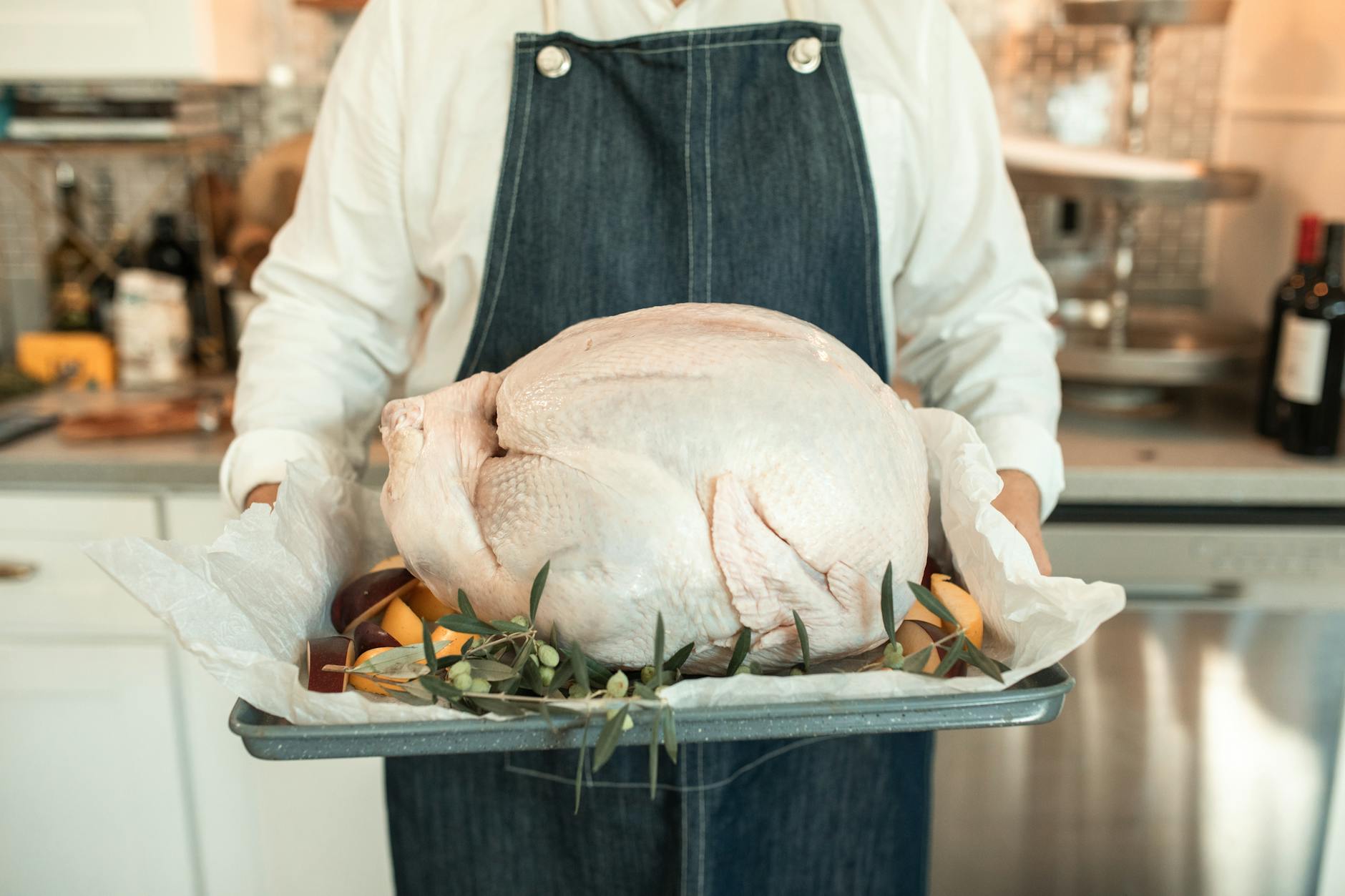
Preparing Thanksgiving dinner never gets easier. I always start with lofty culinary goals based on recipes from “The Pioneer Woman” that include truffles and capers but end up scraping scorched gravy into a dish and hoping the turkey won’t give anyone food poisoning.

Because of my poor cooking skills, I’m always looking for Thanksgiving hacks to make meal preparation more sunshine and less hurricane. I thought I’d share some tips I found to survive the food frenzy that is Thanksgiving.

Ask for help. Stop being a martyr. Don’t complain about having to do everything and then refuse any help. Give out assignments and not like “Can you bring one can of olives?” or “I need someone to pick up some napkins.” No. Ask someone to bring mashed potatoes or all the desserts or even the turkey. You don’t get a blue ribbon for Thanksgiving suffering.

Don’t make foods no one eats. Stop wasting time preparing “traditional” foods, even if it’s a recipe handed down from your quadruple-great grandmother. Especially if it’s handed down from your quadruple-great grandmother because there weren’t a lot of food options in the 1800s besides lima beans and fried hominy.

Use a mandoline to slice vegetables. Not to be confused with a stringed instrument from the 19th century, the mandoline slices onions, celery and carrots quickly and easily. The guest who finds the tip of my index finger in the stuffing wins a prize!

Make only one batch of dinner rolls. Homemade rolls are always a hit but now you can use them as leverage. Your grandson wants a second, hot-buttered roll? He’d better start washing dishes. Bonus hack: Purchase pre-made bakery rolls. You won’t get docked Thanksgiving points. I promise.

Thaw the turkey in water. Not only will this leave you with a bucket full of disgusting waste water but then you can spill it all over the kitchen floor on Thanksgiving morning. Maybe don’t even cook a turkey. There are no Thanksgiving laws. Have chicken wings or spaghetti bolognese.

Spatchcock the turkey. If you insist on roasted turkey, watch a three-hour video explaining how to spatchcock the bird, which involves removing the turkey’s backbone so it lies flat and cooks quickly. (Sidenote: Who spatchcocked Utah’s governor and legislators?)

One tip said, “Use tongs to stem kale” and none of those words make sense together.

Use a Thermos to keep gravy warm. Gravy is notoriously dreadful when served cold. Trust me, I know. Grab your sister-in-law’s gallon-sized Stanley cup to ensure there’s hot gravy for the mashed potatoes.

Use pre-made pie shells. People think pies need to be made from scratch to get that flakey, buttery crust. Baloney. Unless you’re a professional pie baker, do yourself a favor and buy frozen pie crusts. Right now. Even better, get delicious pies from the grocery store.

Celebrate Thanksgiving dinner on Friday. There’s nothing worse than working three days and trying to fit in Thanksgiving preparation. On Friday, it can be a celebratory meal after everyone’s done shopping online.

Create a fun playlist. Before Uncle Jim can cue up the Jan. 6 prisoners’ chorus singing “The Star-Spangled Banner”, have a variety of tunes ready to go. Include everything from Bach to ZZ Top, to equally irritate every family member.

Give yourself a break. I’ve overcooked turkey, burned gravy, made inedible broccoli-cornbread stuffing, forgot the cranberry sauce, dropped a pumpkin pie and used Tupperware lids when I ran out of dinner plates. No one cares. If you’re being judged for the way Thanksgiving dinner turns out, it’s time to find a new family.

Originally published in The City Journals

Give Me Some Sugar

Whether I battled the world’s loudest candy wrappers or faced the principal for participating in black market candy sales, Halloween remained my favorite holiday. I still squirrel away my favorite candies and I warn everyone to touch my cache at their peril.

As a sugar fiend, Halloween was a High Holy day in my childhood. Like a squirrel, I used the holiday to gather and hoard candy that would last me through the autumn months until Santa could fill my stocking with tooth-breaking peppermint discs.

On Halloween, my siblings and I would take pillowcases and trick-or-treat through the neighborhood. When the bags were full, we’d bring home our haul so Mom could scrutinize each piece. She’d look for razor blades poking out of apples, unwrapped candy laced with angel dust and Butterfinger bars that she confiscated as Halloween tax.

In sixth grade, I went trick-or-treating with a boy and we dressed as square dancers because Mr. Madson had taught us how to dance and it was an easy costume. The boy was more interested in trying to kiss me than in securing candy. So I told him we had no future and do-si-doed to the next house to see if they were handing out full-size candy bars.

The gathering of candy was just the beginning. After mom crime-proofed my loot, I’d sort it into categories: chocolate bars, Charms Blow-Pops, fruity Wacky Wafers, Pixy Stix, flavorless Smarties, wax bottles filled with questionable liquid, hard-as-rock orange taffy, Bazooka bubble gum and boring Tootsie Rolls. Then, I’d count each piece so I’d know if one of my bratty siblings took anything.

Once my bag-o-cavities was categorized and counted, I’d hide it under my pillow and sleep on it like Smaug protecting his treasure from the grubby hands of mortals. I sometimes woke up with a lollipop stuck to my face.

The real benefit of Halloween candy was having access to sweet treats at school. Sneaking candy to school was the tricky part. On November 1, teachers knew we’d all have pockets full of candy and we wouldn’t be able to pay attention until after Thanksgiving. But they attempted to confiscate any sugary substance, so I had to be strategic.

I’d pretend to look for something in my desk and shove a handful of Milk Duds in my mouth. Invariably, the teacher would call on me as soon as I had the candy stuffed in my cheeks like a chipmunk. Do you know how hard it is to talk with a mouthful of Milk Duds?

After school, I’d dash home to my pile of candy to recategorize and recount, and to punish anyone within screeching distance if one piece of Laffy Taffy was missing. Yes, I was a bit obsessive. I understand that now.

Halloween candy was also perfect for smuggling into Sunday school. If I could get it past my mom, I could snack all through the long Sunday services. At the time, dresses didn’t have pockets (those were hard times) so I had to resort to creative options.

My socks became repositories for candy contraband. I was too young to realize mothers notice when their child’s legs are suddenly shaped like Baby Ruth bars. Plus, the plastic candy wrappers strapped around my ankles made a crinkling and crackling noise as subtle as a bull in a china shop.

A week after Halloween, my candy stash had dwindled significantly. I needed to cut back if it was going to last until Christmas but the Bottle Caps, the Sugar Babies, the Bit-o-Honey and the Boston Baked Beans called to me like a siren on a rock.

Originally published in the City Journals.
Dead on My Feet

My dog, Jedi, runs to the closet where her leash hangs. She spins in circles as I take it off the hook and click it on her collar. She bites the leash and pulls because I’m just not moving fast enough. She is so happy to walk the neighborhood and terrorize small animals.

Usually, these daily walks cheer me up, but recently, I follow behind her like I’m wearing cement shoes on a muddy beach. Does anyone else feel soul-tired?

I’m the weariest I’ve been since my daughters were newborns when sleeping two hours a night left me moving through life in a haze of dirty Pampers and milk-sour T-shirts.

But what’s my excuse now? I’m a deflated balloon, bouncing along the floor without the helium needed to float. I’m too weary to yawn, too sluggish to nap. I guess I’m not alone because author and computer science professor Cal Newport said we’re in the throes of “The Great Exhaustion.”

It’s not about getting more sleep, it’s not about eating more fiber or fewer Hostess Twinkies, it’s a complete burnout because rest is a sign of weakness.

Taylor Swift recorded a double album while performing in a sold-out global tour and then flew halfway around the world to catch her boyfriend’s little football game. And here I am, struggling to write a column and make it to my granddaughters’ soccer games.

I sprawl on the couch watching dust accumulate on the end tables, too fatigued to do anything about it. I pray a brisk breeze blows through the house, scattering the dirt back to the floor where it belongs.

I feel a lot of people are in this same engineless boat. It doesn’t help that companies now require employees to return to the office, even though the flexible, at-home schedules have kept thousands of women in the workplace. Even though, for the first time in history, job schedules have helped women feel like work and home are almost manageable.

Our energy is also being drained faster than our bank accounts because we’ve trained ourselves to be 24/7 content creators. We spend a crapload of time making reels about our trip to the Grand Canyon or a TikTok video about how to raise goats and make goat milk ice cream.

But there’s more! Start a tech company during your free time! Renovate your kitchen and use time-lapse videos to share with the world! Become an Instagram influencer by creating beauty masks using pencil shavings! Document all the moments all the time and share on all the platforms!

With nonstop information from streaming shows, music, podcasts, audiobooks and social media going directly into our big noggins, our brains are tired. Every person in your household (and possibly your pets) is processing information at speeds unheard of just a few years ago. There’s probably smoke coming out of our ears.

It’s a firehose of electronic data. Everything is breaking news. Everything is trying to capture our brief attention. Life is one big clickbait link and we doomscroll like we’ve been enchanted by a wizard to sell our souls for just a little more spilled tea.

The funny thing is, we can turn it off, silence the noise and deactivate the notifications. But our cortisol addiction is out of control. So what do we do?

Jedi has the right idea. Walking outside, breathing fresh air, maybe even chasing a cat up a tree reminds us the small things matter. Quiet rituals are important. “The Great Exhaustion” is a bone-deep weariness but also a reminder we’re not alone as we stumble through life.

Maybe in sharing our weariness, we can find a listening ear, a comforting shoulder or a Hostess Twinkie.

Originally published in the City Journals.

Design a site like this with WordPress.com
Get started